One-Trip vs Used Containers: What Agricultural & Site Managers Need to Know
A commercial side-by-side comparison of structural integrity, factory lockbox security, floor soundness, aesthetics, and total cost of ownership.
Key Takeaways for East Anglian Site Managers
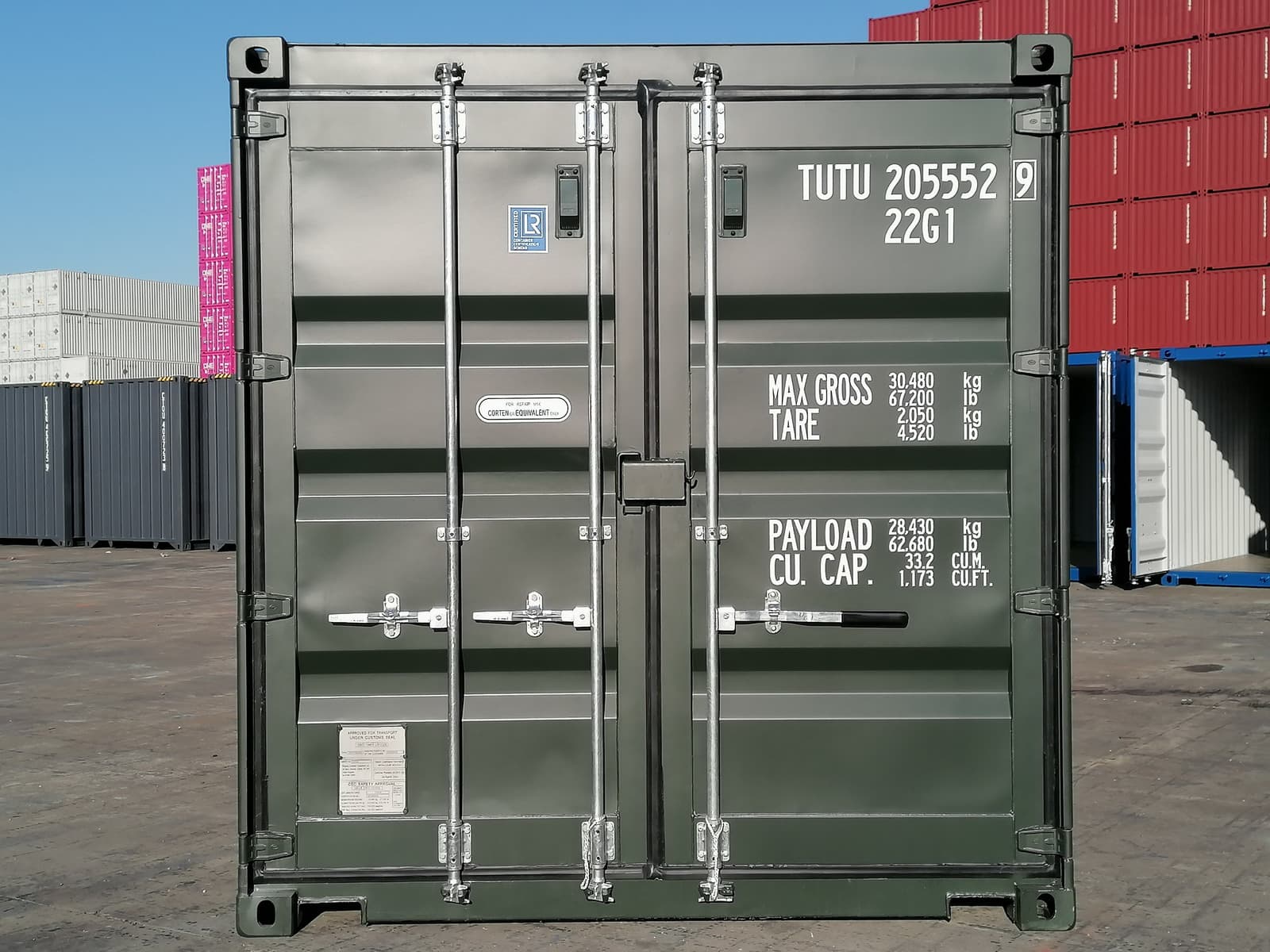
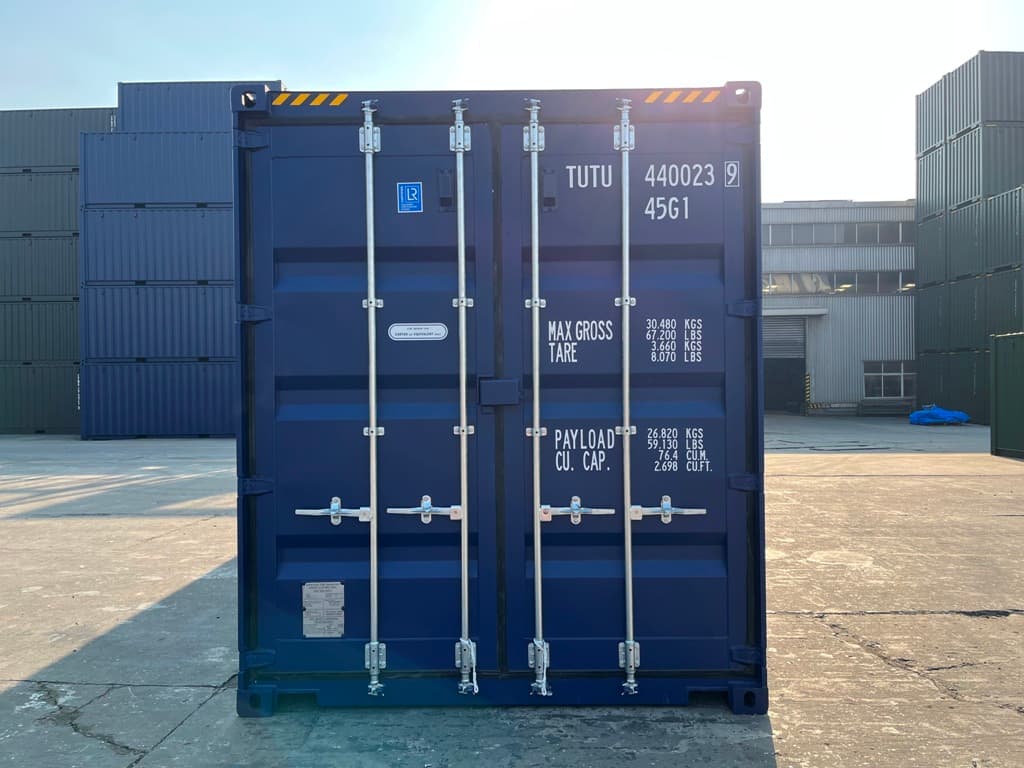
- One-Trip containers are manufactured brand new in maritime yards and undertake only a single cargo voyage to Felixstowe, arriving in showroom condition.
- Used containers are retired shipping line workhorses (typically 10–14 years old) that show cosmetic dings, but are inspected to meet wind and watertight (WWT) standards.
- One-Trip units come factory-fitted with a tamper-proof steel padlock lockbox, high waist-level door handles, and pristine 28mm hardwood floors.
- For high-value retail goods, grain, or customer-facing compounds, One-Trip is the gold standard; for rough plant, scrap metal, or budget storage, Quality Used is unbeatable value.
1. Defining the Grades: What Does 'One-Trip' Really Mean?
If you are browsing container suppliers in the UK, you will encounter the term 'One-Trip' (often labelled as 'new'). Because shipping containers are manufactured predominantly in Asia, building an empty steel box and shipping it empty across the globe is commercially uneconomic.
Instead, brand-new containers are loaded with a single, clean commercial dry-cargo consignment for their maiden voyage into the United Kingdom, arriving at deep-water container berths such as the Port of Felixstowe. Once their cargo is discharged, they are allocated directly to our siding.
As a result, a One-Trip container is essentially brand new. You may notice minor tyre marks on the marine ply floor from the loading forklift, or tiny scuffs on the corner castings from container handling gantries, but the corrugated Corten steel panels are perfectly straight, the paintwork is lustrous, and the rubber door seals are supple and airtight.
2. The Reality of Quality Used Containers (WWT)
A 'Used' container (also referred to as 'Wind and Watertight' or WWT) is an authentic veteran of global ocean freight. These units have spent 10 to 14 years crossing international oceans under the liveries of major shipping lines (such as Maersk, MSC, or CMA CGM).
When shipping lines retire these containers from active sea voyages under CSC regulations, Shipping Container Consultants Ltd sources physical batches directly at Felixstowe. Units undergo depot physical inspection to verify storage criteria:
• Inspected Wind & Watertight: No holes in the roof or side panels. When doors are closed, daylight does not penetrate the interior.
• Structurally Sound: No catastrophic corner post bends or frame distortion.
• Solid Marine Plywood Flooring: Free from soft spots or structural rot.
• Operational Locking Bars: Cams and keepers engage cleanly to seal the doors shut.
Cosmetically, used containers will show superficial surface oxidation, varying shipping line colours, and dings from port yard straddle carriers. If aesthetics are not critical, they offer unbeatable price-per-square-metre storage.
3. Security & Hardware: The Slimline Lockbox Factor
Security against rural opportunistic theft is a paramount concern for East Anglian farmers, builders, and estate managers.
One-Trip containers are specifically commissioned with factory-welded slimline padlock lockboxes mounted centrally between the cargo doors. This heavy-duty steel shroud encases an insurance-approved high-security padlock (such as a Cisa or Mul-T-Lock), preventing thieves from attacking the padlock shackle with bolt croppers, angle grinders, or pry bars.
Additionally, modern One-Trip containers feature single, waist-height easy-open door handles with rubberised comfort grips. This allows a single operator to open and close the heavy doors effortlessly — unlike older used units that require two hands and considerable leverage to rotate traditional dual cam bars.
4. Floorboards & Internal Hygiene (28mm Marine Plywood)
The internal flooring of an ISO container consists of 28mm-thick, 19-ply exterior-grade marine hardwood plywood, chemically treated to comply with Australian quarantine standards against insect infestation.
In a One-Trip container, this timber floor is clean, unblemished, and odour-free. It is ideal for storing sensitive items: document archives, retail inventory, classic cars, furniture, or agricultural seed bags that must be kept free of grease.
In an older used container, the floor has borne forklifts carrying global cargo for a decade. While mechanically sound, used floors may show cosmetic oil spots, surface scrapes, and timber weathering. If you intend to store oily engine parts, scrap metal, or building aggregates, a used floor is perfectly adequate.
| Feature / Spec | One-Trip (Pristine New) | Quality Used (Wind & Watertight) |
|---|---|---|
| Typical Lifespan on Yard | 25 to 30+ Years | 10 to 15+ Years |
| Cosmetic Appearance | Showroom condition, choice of RAL green/blue | Dented, faded original shipping line liveries |
| Factory Lockbox Included? | Yes — heavy-duty welded slimline box | Optional extra — bolt-on or weld-on lockbox |
| Door Operation | Waist-height easy-open handles | Traditional dual-cam high-force locking bars |
| Floor Condition | Clean, unblemished 28mm hardwood | Sound, tested, but shows historic cosmetic marks |
| Typical Baseline Cost (20ft) | From £2,350 ex. VAT | From £1,450 ex. VAT |
5. Total Cost of Ownership & Depreciation
When deciding between new and used, consider the total cost of ownership over your anticipated holding period.
A 20ft One-Trip container costing roughly £2,350 ex. VAT will depreciate very slowly. If you use it for 5 years and keep it clean, its second-hand value across Suffolk and Norfolk will remain in the £1,700 to £1,900 bracket — resulting in a net cost of ownership of under £10 per month.
A Used container costing roughly £1,450 ex. VAT has already completed its primary depreciation cycle. Even after another 5 years of hard farm use, its scrap steel value and baseline utility will ensure you can resell it for £1,000 to £1,200.
6. Summary Decision Matrix for East Anglia
Choose a One-Trip Container if:
• The container will be visible to clients, visitors, or the public.
• You are storing high-value electrical tools, household furniture, clothing, or grain.
• You want a factory-fitted padlock lockbox and easy-open door handles for daily access.
• You require a specific RAL 6007 Green or RAL 5013 Blue colour match.
Choose a Quality Used Container if:
• The container will sit hidden behind a barn, hedgerow, or in an industrial works yard.
• You are storing heavy plant machinery, tyres, scaffolding, or raw construction materials.
• You are operating on a strict initial capital budget and need maximum cubic capacity for minimum spend.